
Something rather extraordinary is happening in the UK solar scene right now, and most people haven’t noticed yet. From community-owned battery systems to Kent’s massive new solar farm, we’re witnessing a fundamental shift in how this country approaches renewable energy.
Community Power Takes Centre Stage
I’ve been banging on about community energy projects for years, but what’s happening now is genuinely groundbreaking. We’re seeing the UK’s first community-owned battery energy storage systems opening up for public investment. This isn’t just another corporate renewable scheme – it’s ordinary people taking control of their local energy infrastructure.
Think about it. For decades, we’ve been passive consumers of electricity, at the mercy of whatever the big energy companies decide to charge us. Now, communities are essentially saying “sod that, we’ll do it ourselves.” These battery storage systems work by storing excess renewable energy when it’s cheap and abundant, then releasing it when demand (and prices) peak.
What excites me most is the financial model. When you buy shares in these community projects, you’re not just making an investment – you’re becoming part of the solution. The returns aren’t shabby either. Most community energy projects I’ve looked at are offering between 4-7% annual returns, which absolutely hammers what you’d get from a savings account in today’s market.
The technology behind these systems is surprisingly straightforward. Large lithium-ion battery banks, similar to what’s in your electric car but scaled up massively, sit quietly in shipping container-sized units. They charge up when there’s excess wind or solar power flooding the grid, then discharge when we’re all boiling kettles during Coronation Street adverts.
Kent’s Solar Megaproject Changes Everything
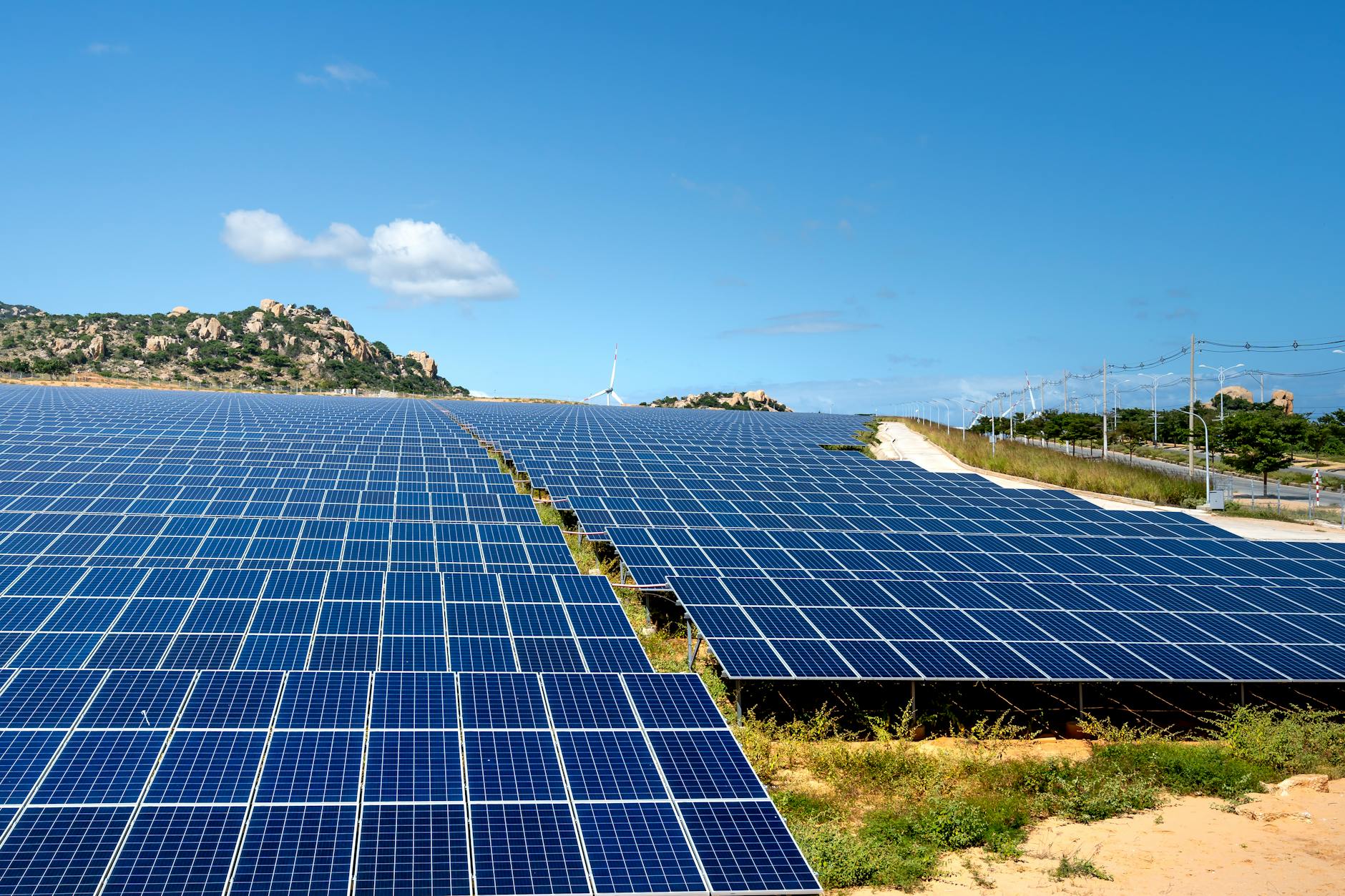
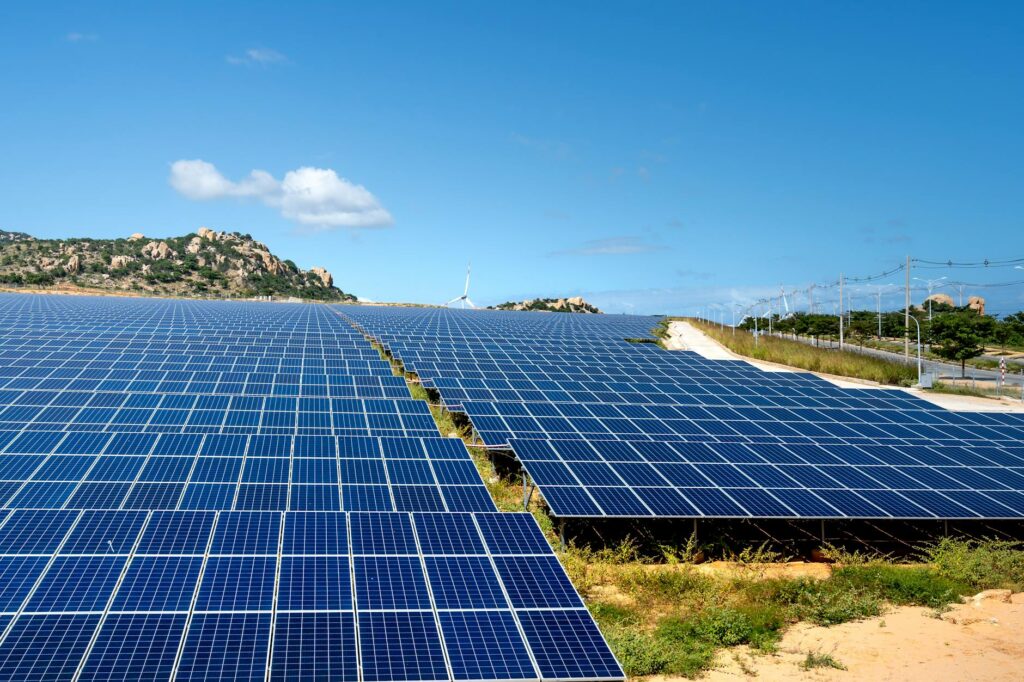
Down in Kent, something absolutely massive is taking shape. The UK’s largest solar farm is nearly complete, and the drone footage I’ve seen is nothing short of spectacular. We’re talking about hundreds of acres transformed into a sea of gleaming panels, capable of powering tens of thousands of homes.
I remember when people said the UK was too cloudy for serious solar deployment. What absolute nonsense that turned out to be. Modern panels work brilliantly even on overcast days – they need light, not necessarily direct sunshine. Germany, which gets similar amounts of sunshine to the UK, has been proving this for years.
This Kent project represents something bigger than just another renewable energy installation. It’s proof that large-scale solar can work in Britain, despite what the naysayers claim. The economics have shifted dramatically too. Solar panel costs have plummeted by over 90% in the past decade, making projects like this not just environmentally sound but financially sensible.
What’s particularly clever about modern solar farms is how they’re designed. The panels are mounted on frames that allow sheep to graze underneath, maintaining the agricultural use of the land. Some farms are even experimenting with growing shade-tolerant crops between the rows. It’s not an either-or situation anymore – we can have both energy and food production from the same fields.
Portable Solar Power Comes of Age
While massive solar farms grab headlines, there’s a quieter revolution happening in portable solar technology. I’ve been testing various portable power stations and solar chargers over the past year, and frankly, I’m gobsmacked by how good they’ve become.
The latest portable power stations are nothing like the feeble solar chargers from a decade ago that took three days to charge your phone. Modern units can power everything from laptops to small fridges, with battery capacities measured in kilowatt-hours rather than milliamp-hours. Some of the top models can even run power tools or medical equipment during outages.
What’s really changed is the integration. The best systems now combine high-efficiency solar panels with lithium iron phosphate batteries (LiFePO4), which are safer and longer-lasting than traditional lithium-ion. You can charge them from solar, mains power, or even your car’s 12V socket, giving you incredible flexibility.
For camping and outdoor activities, the transformation is remarkable. I recently took a 500Wh portable station on a week-long camping trip in Scotland. Combined with a 100W folding solar panel, it kept all our devices charged, ran LED lights in the evening, and even powered a small electric coolbox. The whole setup weighed less than 10kg and fitted easily in the car boot.
The Storage Revolution Nobody’s Talking About
Here’s what most people miss about the solar revolution: it’s not really about the panels anymore. The real game-changer is energy storage. Solar panels are fantastic during the day, but without storage, you’re still dependent on the grid when the sun goes down.
Battery technology has reached a tipping point. Home battery systems like the Tesla Powerwall started the trend, but now there are dozens of competitors offering better value. A typical home battery system can store 10-15kWh of energy – enough to run an average UK home through the evening and night.
The economics are compelling. With smart tariffs, you can charge your battery overnight when electricity is cheap (sometimes even negative priced when there’s excess wind power), then use that stored energy during expensive peak times. Some homeowners are saving hundreds of pounds annually just through tariff arbitrage, without even having solar panels.
What really excites me is vehicle-to-grid technology. Electric cars are essentially massive batteries on wheels. New bidirectional charging systems mean your car battery can power your home during outages or peak pricing periods. Imagine your car earning money while parked on the drive – that’s the future we’re heading towards.
Practical Solar for Real People
Let’s get practical. If you’re reading this thinking “sounds great, but what can I actually do?”, here are the real options available right now in 2026.
For homeowners, the sweet spot is a 4-6kW solar array with a 10kWh battery system. Total cost? Around £8,000-12,000 installed. With current electricity prices, payback is typically 6-8 years, after which you’re essentially getting free electricity. That’s a better return than any ISA I know of.
Renters aren’t left out either. Portable solar solutions have become sophisticated enough to make a real difference. A good 200W portable panel and 1000Wh power station setup costs under £1,000 and can significantly reduce your electricity bills, especially if you work from home.
For those interested in community energy, many projects are open for investment from as little as £250. You won’t get rich, but you’ll earn a decent return while supporting local renewable energy. It’s ethical investing that actually pays.
My Take: Why This Matters More Than You Think
After years of covering solar technology, I’m more optimistic than ever about the UK’s energy future. We’re not just adopting solar power – we’re doing it in a uniquely British way, with community ownership, innovative land use, and practical solutions for our climate.
The convergence of cheap solar panels, efficient batteries, and smart grid technology creates opportunities we couldn’t have imagined a decade ago. Energy independence isn’t just for off-grid preppers anymore – it’s becoming mainstream.
What strikes me most is how democratic this revolution is becoming. You don’t need to be wealthy to participate. Whether it’s investing £250 in a community battery, buying a portable solar charger for camping, or gradually building up a home system, there’s an entry point for everyone.
Critics still exist, of course. They point to intermittency issues, grid stability concerns, and the environmental impact of battery production. These are valid concerns, but they’re being addressed. Grid-scale batteries solve intermittency, smart inverters actually improve grid stability, and battery recycling technology is advancing rapidly.
The UK solar revolution isn’t coming – it’s here. From Kent’s massive solar farms to community-owned batteries, from sophisticated portable power stations to home energy independence, we’re witnessing a fundamental transformation in how we generate, store, and use electricity. And honestly? It’s about bloody time.
Frequently Asked Questions
How much does a typical home solar and battery system cost in the UK?
A standard 4kW solar panel system with a 10kWh battery typically costs between £8,000-12,000 fully installed. Prices vary based on panel quality, installation complexity, and your location.
Can solar panels work effectively in the UK’s cloudy climate?
Absolutely. Modern solar panels work on light, not direct sunshine. Germany has similar weather to the UK and generates huge amounts of solar power. Even on cloudy days, panels typically produce 10-25% of their rated capacity.
What’s the typical return on investment for community solar projects?
Most UK community solar and battery projects offer returns between 4-7% annually. While not spectacular, these returns are significantly better than current savings rates and you’re supporting renewable energy development.