
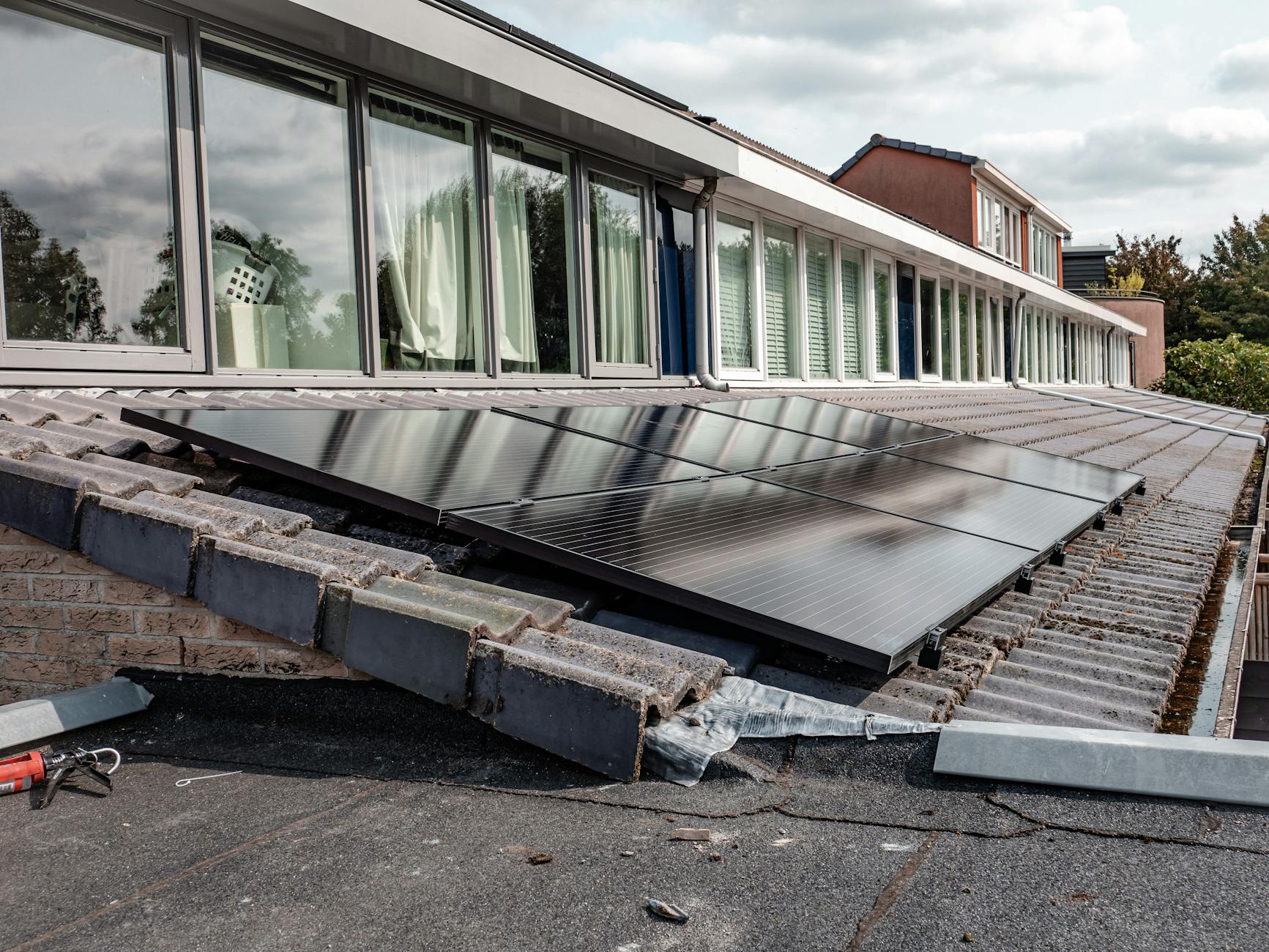
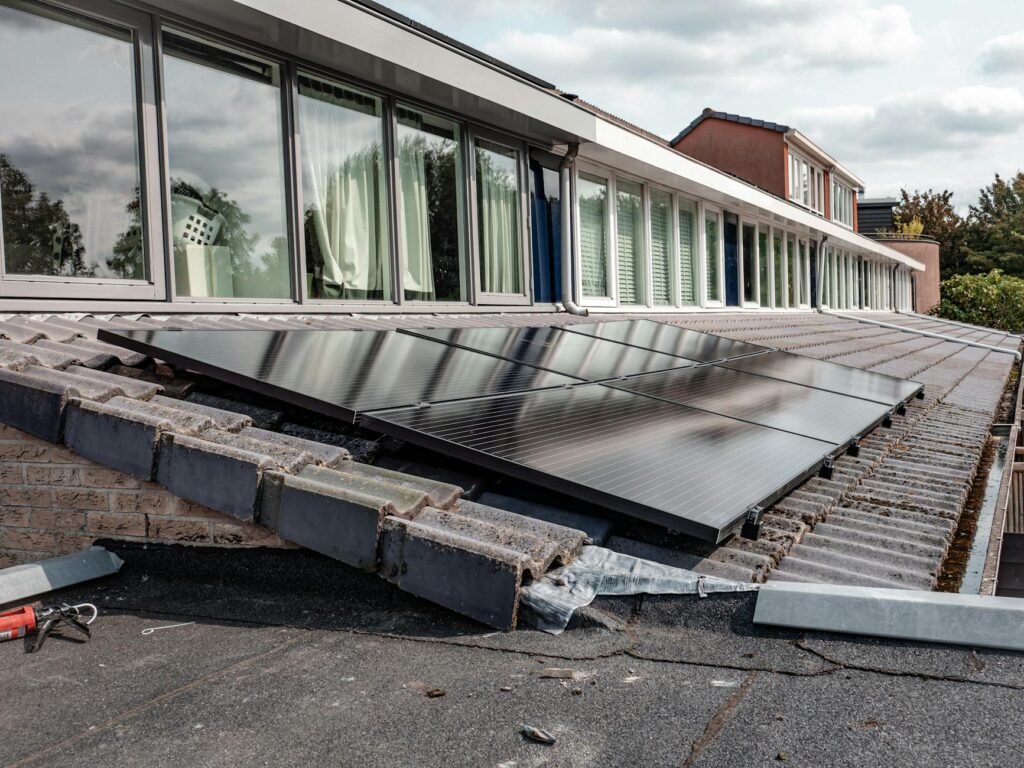
The UK solar industry is about to experience its iPhone moment. Within months, you’ll be able to walk into your local Lidl, pick up a solar panel for £400, take it home, and plug it straight into your wall socket. No installers, no paperwork, no fuss. As someone who’s been banging on about solar power for over a decade, I can tell you this changes absolutely everything.
The Plug-and-Play Revolution Has Arrived
I’ve installed traditional solar systems on three different properties over the years, and each time it’s been a monumental faff. Scaffolding, electrical certifications, DNO applications, structural surveys – the works. The last installation set me back £8,000 and took six weeks from initial quote to switch-on. Now we’re looking at **plug-in solar panels that cost £400** and work within minutes of opening the box.
These aren’t your grandfather’s solar panels. The new generation of plug-and-play systems use what’s called a micro-inverter built directly into each panel. This clever bit of kit converts the DC electricity from the panel into AC power that your home can use immediately. The magic happens through a standard three-pin plug that connects to any regular socket in your house.
The technology has been massive in Germany for years – they call them “balkonkraftwerk” or balcony power plants. Over 500,000 German households have already embraced this DIY approach to solar. The UK government has finally caught up, with new regulations coming into force that will allow these systems to be sold in regular shops. It’s about bloody time.
What You’re Actually Getting for Your £400
Let me break down exactly what these systems deliver, because the marketing fluff is already getting out of hand. A typical £400 plug-in panel produces around 400 watts of power in optimal conditions. That’s enough to run your fridge, freezer, and a few other always-on devices during daylight hours. **You’re not going off-grid with one panel**, but you are making a significant dent in your baseline electricity consumption.
The panels themselves are surprisingly compact – about 1.7 metres by 1 metre for a standard 400W unit. They come with sturdy mounting brackets that work on balconies, flat roofs, gardens, or even propped against a south-facing wall. The included cable is typically 5-10 metres long, giving you flexibility in positioning.
Here’s the real kicker: these systems are completely portable. Moving house? Pack up your panels and take them with you. Renting? No problem – there’s no permanent installation required. I’ve seen people mount them on shed roofs, lean them against garden fences, and even create wheeled stands to chase the sun throughout the day.
The economics are straightforward. A 400W panel generating an average of 3.5 hours of full-power equivalent per day (typical for the UK) produces about 1.4kWh daily. At current electricity prices of around 30p per kWh, that’s 42p saved per day, or **£153 per year**. Your £400 investment pays for itself in under three years.
The Technical Reality Check
Now, before you rush out to buy a dozen panels and attempt to power your entire street, let’s talk limitations. UK regulations currently cap plug-in solar at 800W per property without requiring professional installation. That’s typically two panels maximum. This isn’t arbitrary bureaucracy – it’s about electrical safety.
Your home’s ring main circuit is designed to handle a certain amount of power flowing in one direction. When you start feeding electricity back through a plug socket, you’re reversing that flow. Too much reverse power can overload circuits, especially in older properties with dodgy wiring. **The 800W limit keeps things safe** while still providing meaningful energy generation.
There’s also the question of what happens to excess power. Unlike professionally installed systems with proper grid-tie inverters, most plug-in panels don’t feed excess electricity back to the grid for payment. If your panel is producing 400W but you’re only using 200W at that moment, the extra 200W essentially goes to waste. Smart homeowners time their high-drain activities – washing machines, dishwashers, electric car charging – for sunny periods to maximise self-consumption.
Weather resistance is another consideration. While these panels are built to withstand UK weather (I’ve tested panels through two winters now), the plug connections need protection from rain. Most systems include weatherproof boxes for outdoor sockets, but it’s an extra step many people overlook.
Who Should Actually Buy These Systems
After extensive testing and real-world experience, I can tell you exactly who benefits most from plug-in solar. If you work from home, these panels are a no-brainer. Your baseline consumption during daylight hours – computer, router, fridge, lights – perfectly matches what a couple of panels can provide. **Home workers can slash their electricity bills by 30-40%** with minimal investment.
Renters finally have a viable solar option. I’ve helped several tenants set up balcony systems that they’ve taken with them through three different flats. No more being locked out of the solar revolution because you don’t own your roof. South-facing balconies are gold dust for this application.
Pensioners and anyone home during the day see exceptional returns. Your electricity usage patterns align perfectly with solar generation. One retired couple I advised saw their summer electricity bills drop to almost nothing with just two panels strategically positioned in their garden.
However, if you’re out at work all day and your main electricity use is evenings and weekends, the economics are less compelling without battery storage. The panels will offset some baseline load from fridges and standby devices, but you’ll miss most of the generation potential.
The Bigger Picture: A Quiet Revolution
What excites me most isn’t the individual savings – it’s the collective impact. Imagine 10 million UK households each installing one or two plug-in panels. That’s 4-8GW of distributed generation appearing almost overnight, equivalent to a large nuclear power station. **No planning permissions, no grid upgrades required**, just millions of people taking control of their energy supply.
The psychological shift is equally important. Once people see their electricity meter running backwards on sunny days, they become acutely aware of their energy consumption. I’ve watched friends become obsessed with timing their dishwasher cycles to coincide with peak sun. This behavioural change alone drives significant energy savings.
The utilities are quietly panicking. Their business model relies on selling you increasingly expensive electricity. When customers start generating their own power, even partially, it undermines the entire system. Expect pushback disguised as “safety concerns” and “grid stability issues”.
Manufacturers are responding to demand with innovative designs. I’ve tested panels that look like garden furniture, artistic installations that double as privacy screens, and even transparent panels for greenhouse roofs. The aesthetic objections to solar are rapidly disappearing.
My Verdict: The Future is Plug-and-Play
Having spent years advocating for solar adoption and watching people get bogged down in quotes, permissions, and installation nightmares, plug-in panels feel like a breakthrough moment. They’re not perfect – the power output is modest, and you need decent sun exposure to make them worthwhile. But **the barriers to entry have essentially vanished**.
At £400, these systems cost less than a decent smartphone and last 25+ years. The environmental impact is immediate and measurable. Every kilowatt-hour you generate is one less pulled from fossil fuel plants. Multiply that by millions of households, and we’re talking serious carbon reduction.
My advice? Start with one panel, see how it performs in your specific situation, then add a second if the results impress. Focus on quality – the market’s about to be flooded with cheap rubbish that’ll fail within months. Look for established manufacturers offering proper warranties and safety certifications.
The UK’s energy independence starts in our gardens, balconies, and spare rooms. For the first time in history, meaningful solar power is accessible to almost everyone. The revolution won’t be televised – it’ll be purchased at Lidl and plugged in before teatime.
Frequently Asked Questions
Can I really just plug a solar panel into my wall socket?
Yes, the new generation of plug-in solar panels connect directly to standard UK sockets using built-in micro-inverters. They’re designed for safe DIY installation and work immediately without any electrical modifications to your home.
How much money will plug-in solar panels actually save me?
A typical 400W plug-in panel can save £100-150 annually on electricity bills. With panels costing around £400, you’ll break even in 3-4 years, then enjoy free electricity for the remaining 20+ years of the panel’s life.
Do I need permission to install plug-in solar panels?
No planning permission or DNO approval is needed for plug-in systems under 800W in the UK. However, if you’re renting, you should check with your landlord, and some flats have restrictions on balcony modifications you should verify first.