
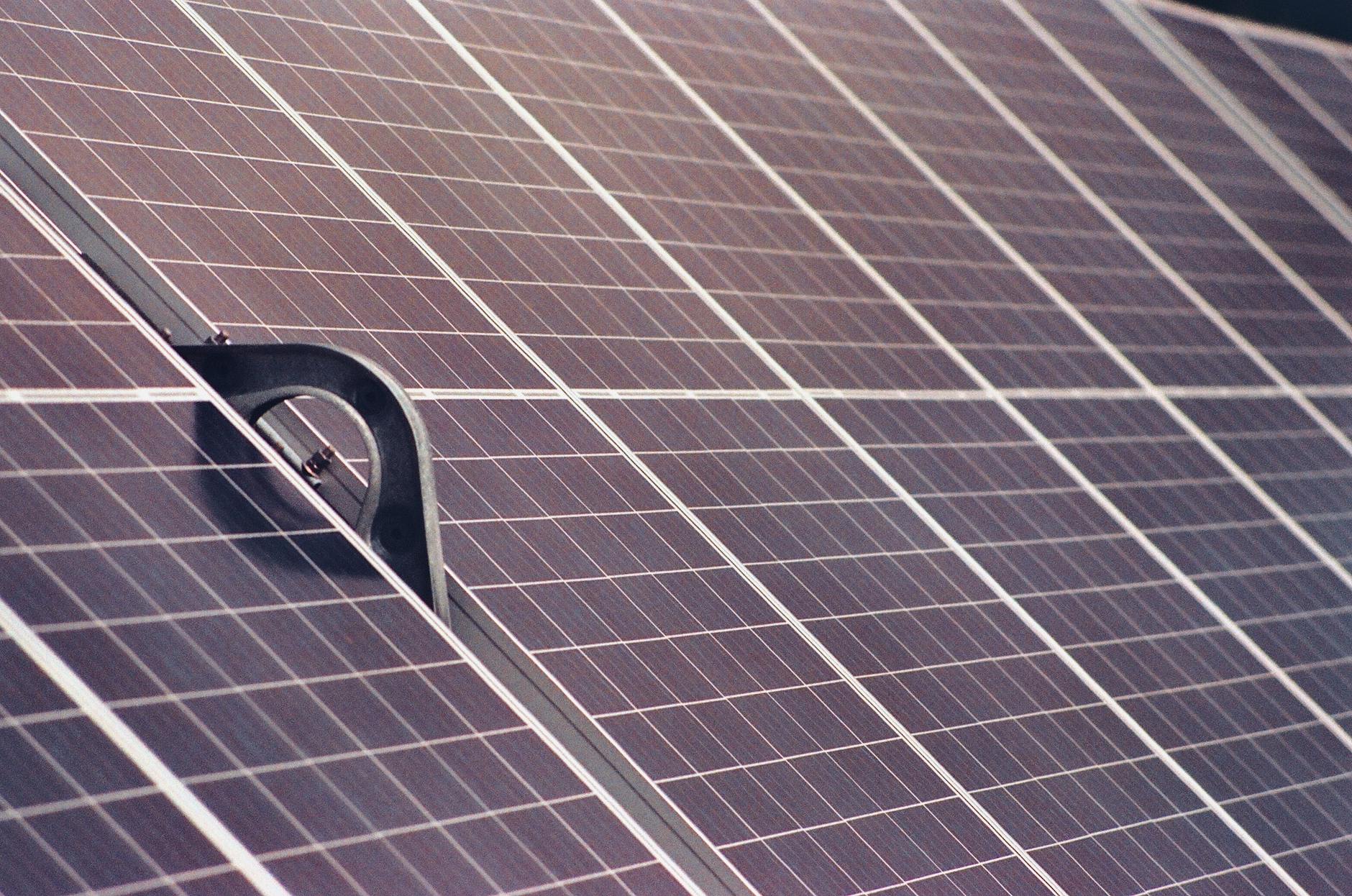
Right, let me tell you something – we’re living through the most exciting period in solar technology I’ve witnessed in my entire career. The developments coming through in 2026 aren’t just incremental improvements; they’re genuine game-changers that’ll transform how we think about renewable energy.
The Plug-and-Play Solar Revolution That’s Got Everyone Talking
I’ve been banging on about solar accessibility for years, and finally, the government’s actually done something sensible. Within months, we’ll see plug-in solar panels hitting the UK market, and frankly, it’s about bloody time. These aren’t your traditional roof-mounted systems that require scaffolding, electricians, and a small mortgage to install.
Picture this: you order a solar panel online, it arrives at your door, you plug it into a standard outdoor socket, and boom – you’re generating electricity. It’s like the difference between building a custom PC from scratch and plugging in a games console. The simplicity is revolutionary, and I reckon this could be the tipping point for mass solar adoption in Britain.
Now, I know what you’re thinking – “Simon, surely it can’t be that simple?” Well, it is and it isn’t. These systems are limited to around 800W per property for safety reasons, which won’t power your entire home, but it’ll definitely take the edge off your electricity bills. Think of it as having a permanent discount on your energy costs rather than complete energy independence.
The real genius here is removing barriers. No planning permission needed (in most cases), no expensive installation costs, and you can take the panels with you when you move house. For renters who’ve been locked out of the solar revolution, this is absolutely massive. I’ve already got my eye on a couple of units for my own place – even with my existing rooftop system, why wouldn’t I want extra free electricity?
Solar-Powered Aviation Fuel: The Most Mental Innovation I’ve Seen
When I first heard about using solar energy to create aviation fuel, I thought someone was having a laugh. But the more I’ve dug into this technology, the more it’s blown my mind. We’re talking about using concentrated solar power to drive chemical reactions that convert carbon dioxide and water into synthetic jet fuel.
Let me break this down in simple terms: imagine a massive magnifying glass focusing sunlight to create temperatures hot enough to trigger chemical reactions. These reactions essentially reverse combustion, turning CO2 back into hydrocarbons. It’s like unburning fuel using the power of the sun. If that doesn’t make you go “bloody hell, that’s clever,” I don’t know what will.
The implications are staggering. Aviation accounts for about 3% of global emissions, and unlike cars or heating, you can’t just stick a battery in a long-haul aircraft and call it a day. This solar-to-fuel technology could be the answer to sustainable flying without completely redesigning aircraft or asking people to stop travelling.
Of course, we’re still in early days. The efficiency isn’t brilliant yet, and scaling up will be a massive challenge. But the fact that it works at all is phenomenal. I predict we’ll see the first commercial plants within five years, and by 2035, solar-derived aviation fuel could be a standard option at airports.
The North-Facing Panel Debate: Time for Some Honest Truth
Here’s where I’m going to ruffle some feathers. There’s been loads of chat about whether north-facing homes should bother with solar, especially with these new plug-in systems. Let me be crystal clear: yes, you should still consider it, but you need to adjust your expectations.
I’ve run the numbers countless times, and north-facing panels in the UK will generate about 60-65% of what south-facing ones produce. That’s not nothing! If south-facing panels save you £400 a year, north-facing ones might save you £250. Over 25 years, that’s still £6,250 in your pocket.
The key is understanding your specific situation. If you’re working from home and using electricity during peak generation hours, north-facing panels make more sense. If you’re out all day and can’t shift your usage patterns, the economics become trickier. But with battery storage becoming cheaper and these new plug-in systems being so affordable, I’d argue the barrier for entry is now low enough that even north-facing properties should give it a go.
What really gets my goat is installers who flat-out refuse to quote for north-facing roofs. They’re leaving money on the table and denying people access to renewable energy. With electricity prices where they are, even suboptimal solar generation beats paying full price to the grid.
Solar Panel Recycling: The Industry Finally Grows Up
For years, one of my biggest concerns about solar has been what happens to panels at end-of-life. We’ve been so focused on installation that nobody wanted to talk about the elephant in the room – what do we do with millions of panels in 20-30 years?
Finally, the industry is taking this seriously. New recycling schemes are launching that can recover up to 95% of semiconductor materials from old panels. We’re talking about extracting silicon, silver, copper, and aluminium – all valuable materials that can go straight back into manufacturing new panels.
The process is surprisingly elegant. Panels are dismantled, the glass is separated and recycled conventionally, the metal frame is melted down, and the silicon cells go through a chemical process to extract the valuable bits. It’s not just environmental responsibility; it’s becoming a profitable business model.
What excites me most is that this creates a circular economy for solar. Instead of mining new materials, we can harvest them from old panels. As someone who’s been in this industry for over a decade, seeing this infrastructure develop gives me real confidence in solar’s long-term sustainability.
China’s Solar Tsunami and What It Means for Britain
You can’t talk about solar in 2026 without mentioning China. They’re installing more solar capacity in a month than the UK has in total, and it’s actually starting to bend the global emissions curve. For the first time in decades, energy-related emissions have fallen despite economic growth, and solar is the main driver.
Now, I know some people get uncomfortable when China dominates an industry, but here’s my take: their massive production scale has made solar panels incredibly affordable for everyone. The panels I’m installing today cost 80% less than they did a decade ago, primarily thanks to Chinese manufacturing scale.
What Britain needs to do is be smart about this. We can’t compete on panel manufacturing, but we can lead in installation innovation, grid integration, and yes, recycling technology. The plug-in panel initiative is exactly the kind of clever policy that plays to our strengths – making technology accessible and user-friendly rather than trying to out-manufacture the Chinese.
I also think there’s an opportunity in solar intelligence – software and systems that maximise generation, predict maintenance needs, and integrate with smart home systems. That’s where British innovation can shine.
My Verdict: We’re at a Genuine Inflection Point
After working in solar for years, I’ve become pretty good at spotting hype versus genuine progress. What we’re seeing in 2026 isn’t hype – it’s a fundamental shift in how accessible and versatile solar technology has become.
The combination of plug-in panels democratising access, solar-to-fuel technology opening new applications, proper recycling infrastructure developing, and costs continuing to plummet creates a perfect storm for adoption. I genuinely believe we’ll look back at 2026 as the year solar went truly mainstream in the UK.
My advice? Don’t wait for the perfect solution. Whether you’re looking at rooftop panels, considering plug-in options, or just thinking about switching to a green energy tariff, take action now. The technology is mature, the economics work, and frankly, we don’t have time to faff about with climate change breathing down our necks.
I’m putting my money where my mouth is – I’m expanding my own solar setup, investing in battery storage, and yes, I’ll be getting some of those plug-in panels for my workshop. Because here’s the thing: perfect is the enemy of good, and current solar technology is more than good enough to make a real difference.
The future of energy is distributed, renewable, and increasingly accessible to everyone. And mate, I couldn’t be more excited about it.
Frequently Asked Questions
How much will plug-in solar panels cost in the UK?
Based on European pricing, expect to pay between £300-800 for a plug-in solar kit. This includes the panel, microinverter, and cables. It’s roughly a quarter of traditional installation costs.
Can solar panels really make aviation fuel?
Yes, through a process called solar thermochemistry. Concentrated solar heat drives reactions that convert CO2 and water into synthetic hydrocarbons. It’s proven technology but not yet commercially scaled.
Are north-facing solar panels worth installing?
Absolutely, if you have realistic expectations. They’ll generate 60-65% of south-facing output, but with current electricity prices, they’ll still save money over their lifetime. Particularly good for home workers who use power during daylight hours.