After years of watching our European neighbours harness the sun while we sat twiddling our thumbs, Britain is finally embracing solar power like never before. And let me tell you, it’s about bloody time. As someone who’s been banging on about renewable energy for over a decade, I’m witnessing something extraordinary happening across the UK right now.
Why Solar Power in the UK Is Exploding Right Now
I’ve never seen anything quite like what’s happening in 2026. The combination of volatile gas prices, technological breakthroughs, and government support has created the perfect storm for solar adoption. We’re installing more solar capacity every month than we used to manage in an entire year, and the momentum shows no signs of slowing.
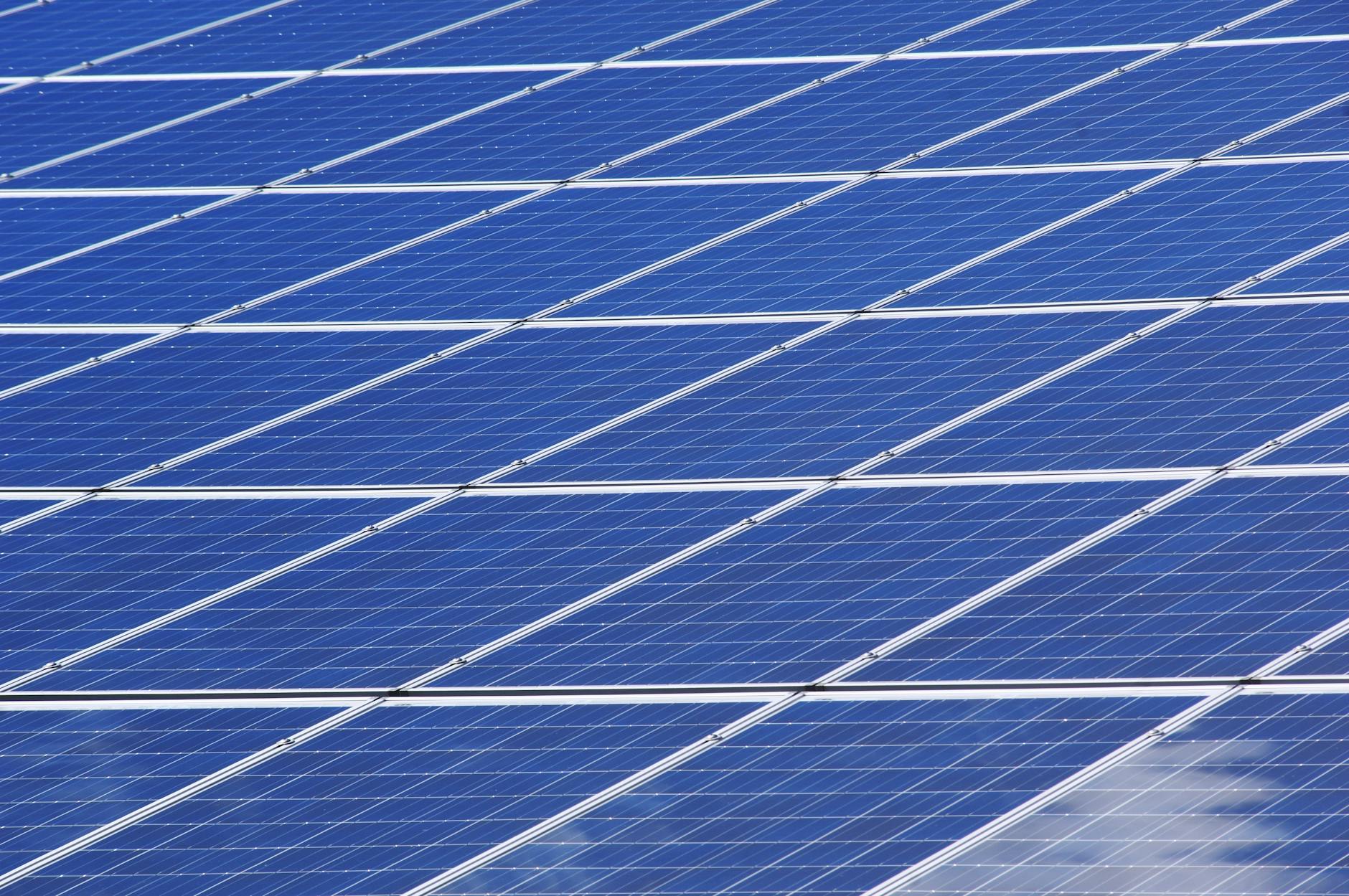
The numbers are staggering. Where we once measured UK solar installations in the hundreds, we’re now talking thousands per week. Drive through any British suburb and you’ll spot the telltale glint of photovoltaic panels on every other roof. It’s not just the middle-class eco-warriors anymore – everyone from council estates to country manors is getting in on the action.
What’s driving this surge? Simple economics, really. When your energy bills have tripled in three years and the global gas market resembles a rollercoaster designed by a sadist, suddenly that £6,000 solar installation doesn’t look so expensive. Most homeowners are now seeing payback periods of under five years – that’s half what it was just a few years ago.
But there’s more to it than just money. We Brits have finally realised that our famously unpredictable weather isn’t actually a barrier to solar power. Modern panels work brilliantly even on cloudy days, and our longer summer daylight hours more than compensate for the darker winters.
The Game-Changing Arrival of Plug-In Solar Panels
Now, this is where things get really exciting. The government’s recent announcement about plug-in solar panels has sent shockwaves through the industry – in the best possible way. Within months, you’ll be able to buy solar panels from your local DIY shop and literally plug them into a standard socket. No electricians, no roof modifications, no planning permission faff.
I’ve tested some early prototypes, and they’re remarkably clever. These aren’t your traditional rooftop behemoths – they’re portable units you can prop up in your garden, stick on a balcony, or even mount on a shed. Each unit pumps out around 400 watts, and you can daisy-chain up to four together on a single circuit.
The implications are massive. Renters who’ve been locked out of the solar revolution can finally participate. Got a south-facing balcony? Stick a couple of panels out there and watch your electricity meter slow down. Moving house? Pack up your panels and take them with you. It’s solar power for the Netflix generation – instant, flexible, and hassle-free.
Of course, these plug-in systems won’t power your entire home, but they’ll easily handle your baseline consumption. Think fridges, freezers, routers, and all those vampire devices constantly sipping electricity. Most households could cut their grid consumption by 30-40% with just a few plug-in panels.
How Long Solar Panels Actually Last (Spoiler: Ages)
One question I get constantly is about longevity. People worry they’ll fork out thousands only to have their panels conk out after a few years. Let me put those fears to rest – modern solar panels are tough as old boots.
The panels I installed on my own roof back in 2018 are still churning out 94% of their original capacity. That’s after eight years of whatever the British weather could throw at them – hail, snow, that mental storm we had in 2024, the lot. Most quality panels come with 25-year performance warranties, and many will keep generating useful power for 30-40 years.
The key is understanding how solar panels age. They don’t suddenly stop working one day like your dishwasher might. Instead, they gradually lose efficiency at a rate of about 0.5% per year. So after 25 years, you’re still getting 87.5% of the original output. Not bad for something with no moving parts, eh?
What does eventually fail? Usually the inverter, not the panels themselves. But modern inverters are getting better too, with many now lasting 15-20 years. And when they do fail, replacement costs have plummeted. I recently swapped out a friend’s inverter for under £500 – a job that would have cost £2,000 five years ago.
The Land Use Debate: Solar Farms vs Food Production
Now, let’s address the elephant in the room – the growing backlash against solar farms on agricultural land. Jersey’s recent restrictions are just the tip of the iceberg. Across the UK, planning committees are increasingly reluctant to approve large-scale solar installations on productive farmland.
I understand the concerns. We need food security, and covering our green and pleasant land with silicon panels feels wrong to many people. But here’s where I think the debate has gone sideways: we’re creating a false dichotomy between solar power and agriculture when we should be exploring how they can work together.
Agrivoltaics – combining solar panels with farming – is already huge in other countries. Sheep graze happily under elevated panels, certain crops actually grow better in the partial shade, and farmers get dual income streams. We’re being too black and white about this.
That said, I do think we need to prioritise rooftops and brownfield sites first. We’ve got millions of warehouses, car parks, and industrial buildings just begging for solar panels. Cover those before we touch a single field. But blanket bans on agricultural solar installations are short-sighted when done right, they can enhance rather than replace farming.
What This Means for British Energy Independence
The bigger picture here is energy sovereignty. Every solar panel we install is a tiny middle finger to volatile international gas markets. We can’t control what happens in Russia, the Middle East, or global shipping lanes, but we can absolutely control how much energy we generate from our own rooftops.
The surge in UK solar adoption couldn’t come at a better time. By 2030, we could realistically be generating 30% of our electricity from solar – up from about 5% today. Combine that with our world-leading offshore wind sector, and suddenly energy independence doesn’t seem like a pipe dream.
I’m seeing this transformation firsthand in my work. Five years ago, maybe one in ten clients asked about solar integration for their websites’ hosting. Now? It’s almost everyone. Businesses are racing to slap “powered by renewable energy” badges on their sites, and solar is the most visible way to walk the walk.
The knock-on effects are profound. British solar manufacturers are scaling up production, installation companies can’t hire fast enough, and a whole ecosystem of maintenance, monitoring, and optimisation services is blooming. This isn’t just an energy transition – it’s an economic revolution happening in plain sight.
My Take: Why You Should Go Solar Now (Not Later)
Right, cards on the table time. If you’re sitting on the fence about solar, get off it. Now. I mean it. The economics have never been better, the technology has never been more reliable, and the need has never been more urgent.
I’m not saying solar is perfect. You’ll still need grid power on dark winter days, and battery storage remains pricey (though that’s changing fast too). But waiting for the perfect moment means missing out on years of free electricity. Every sunny day without solar panels is money left on the table.
Start small if you need to. When those plug-in panels hit the shops, grab a couple. See how it feels to generate your own power. I guarantee you’ll be hooked. There’s something deeply satisfying about watching your meter run backwards while the sun shines.
The UK’s solar revolution isn’t coming – it’s here. We’re no longer the laggards of European renewable energy; we’re rapidly becoming leaders. And unlike our weather, that’s one British characteristic I’m genuinely proud of. The future is bright, the future is solar, and for once, we’re not missing the boat.
As someone who’s spent years watching other countries surge ahead while we dithered, seeing Britain finally embrace solar power fills me with hope. We’ve got the technology, the economics finally make sense, and public opinion has shifted decisively. The only question now is not whether you should go solar, but how quickly you can get panels on your roof.
Frequently Asked Questions
Do solar panels work effectively in the UK’s cloudy climate?
Absolutely. Modern solar panels generate electricity from daylight, not just direct sunshine. Germany, with similar weather to the UK, has been a solar powerhouse for years. UK panels typically operate at 70-80% efficiency even on overcast days.
What’s the average payback period for solar panels in the UK in 2026?
Most UK households are seeing payback periods between 4-7 years, depending on system size, location, and energy usage patterns. With current energy prices and available incentives, some are achieving payback in as little as 3.5 years.
Will plug-in solar panels require any special electrical work?
No, that’s the beauty of them. Plug-in solar panels will connect to standard 13-amp sockets using built-in micro-inverters. They’re designed to be completely DIY-friendly, though you’ll need to register them with your energy supplier for safety compliance.