
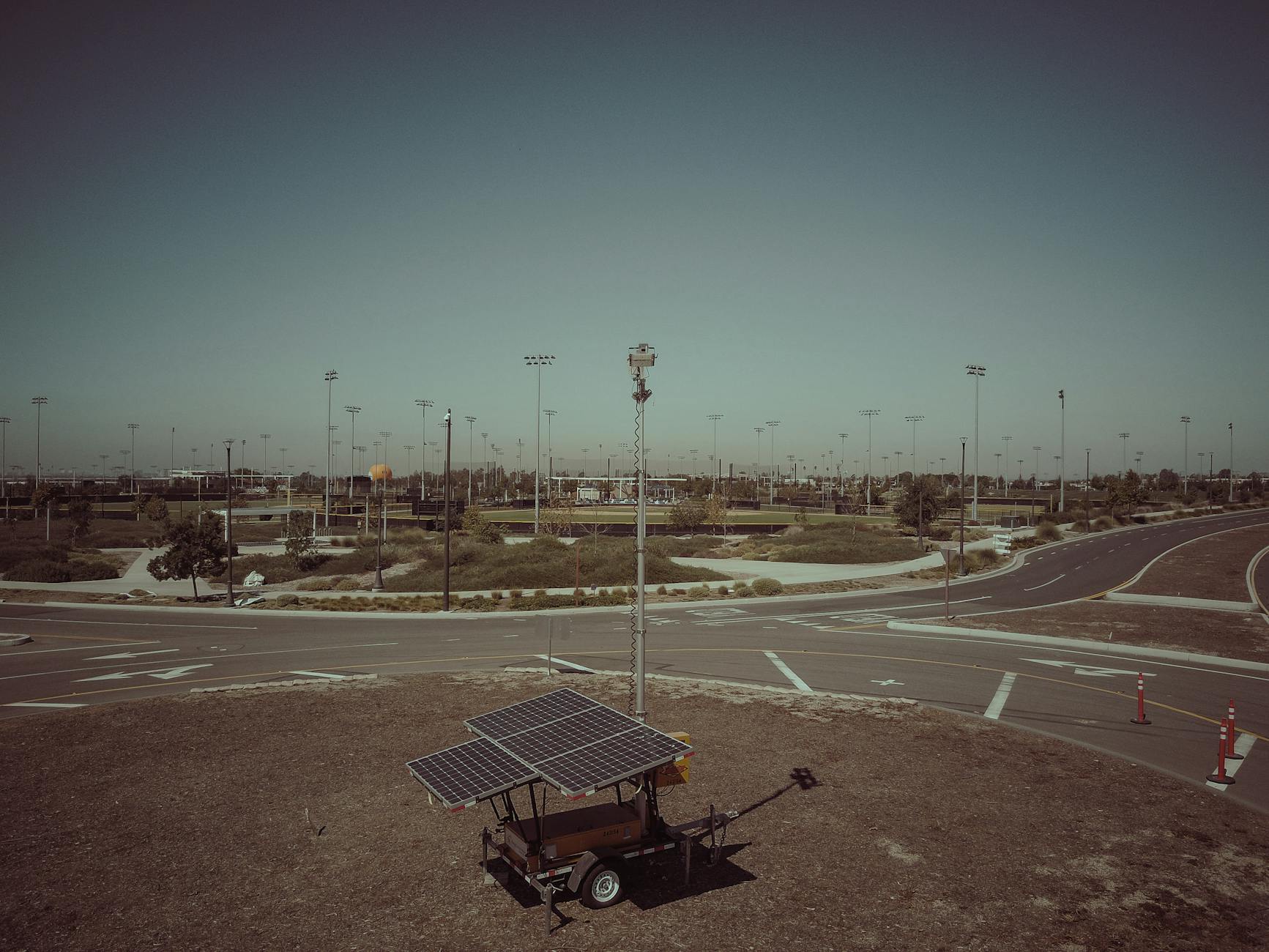
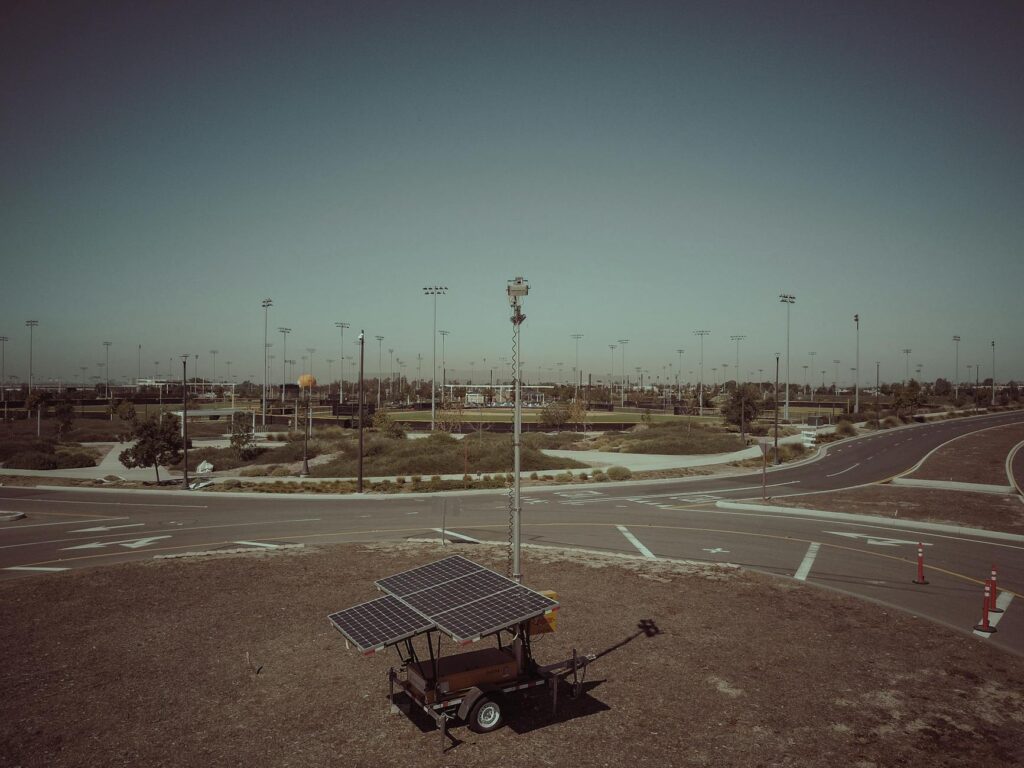
Right, let me tell you why I’m genuinely excited about what’s happening with solar power stations in the UK right now. After years of watching this technology evolve, we’re finally at a point where it’s not just viable – it’s becoming downright essential.
The UK Solar Revolution Is Actually Happening
I’ve been banging on about solar power for years, and I’ll admit there were times when people looked at me like I was mad. “Solar in the UK? Have you seen our weather?” they’d say. But here’s the thing – solar technology has evolved so dramatically that our cloudy skies are no longer the dealbreaker they once were.
What’s really caught my attention recently is the surge in community-owned solar projects. We’re seeing UK communities take control of their energy future in ways that would have been impossible just five years ago. The technology’s there, the economics finally make sense, and perhaps most importantly, people are fed up with being at the mercy of energy companies.
I’ve watched portable power stations go from clunky, inefficient boxes to sleek powerhouses that can run your entire home office. And larger installations? They’re becoming so efficient that even on our greyest days, they’re producing meaningful amounts of power.
The shift isn’t just about technology – it’s about mindset. We’re moving from seeing solar as a nice-to-have eco-friendly option to recognising it as a fundamental part of energy security and financial independence.
Community Solar Projects: The Game Changer Nobody Saw Coming
Here’s where things get really interesting. Community-owned battery energy storage systems are popping up across the UK, and they’re revolutionising how we think about renewable energy. Instead of every household needing their own massive battery setup, communities are pooling resources to create shared storage facilities.
I recently visited a project in Yorkshire where local residents had clubbed together to install a community battery system. The economics were brilliant – by sharing the infrastructure costs, each household’s investment was a fraction of what they’d pay for individual systems. But it’s not just about money. These projects are creating energy resilience at a neighbourhood level, which is something we desperately need.
What strikes me most is how these initiatives are democratising energy. You don’t need to own a south-facing roof or have tens of thousands to invest. Community shares can start from just a few hundred pounds, making renewable energy accessible to renters, flat dwellers, and those on modest incomes.
The regulatory environment is finally catching up too. Local authorities are increasingly supportive, seeing these projects as ways to meet their net-zero targets whilst boosting local economies. It’s a win-win that’s been a long time coming.
Portable Power Stations: More Than Just Camping Gadgets
Now, let’s talk about portable power stations, because they’ve come a bloody long way from being glorified phone chargers. I’ve tested dozens of these units over the past few years, and the latest generation is genuinely impressive.
Modern portable power stations are essentially miniature versions of home battery systems. The best ones can store enough energy to run essential appliances for days, charge from solar panels in a few hours, and are light enough that you won’t throw your back out moving them. They’ve become essential kit not just for camping, but for home backup power and remote working.
I use a 2000Wh unit in my workshop, and it’s transformed how I work. On sunny days, it charges from a couple of portable panels whilst powering my tools. During power cuts (which seem to be getting more frequent), it keeps my essential systems running. The peace of mind alone is worth the investment.
What’s really clever is how manufacturers are building ecosystems around these products. You can start with a basic unit and add extra batteries, solar panels, and accessories as your needs grow. It’s modular energy independence, and it’s brilliant.
The Economics of Solar in 2026 UK
Let’s talk money, because that’s what most people really want to know about. Are solar power stations worth it in the UK? In my opinion, absolutely – but with some important caveats.
The payback period for a decent home solar setup with battery storage is now typically 6-8 years. That might sound long, but consider this: energy prices have risen by over 200% in the last five years, and they’re not coming down anytime soon. Every kilowatt-hour you generate yourself is money saved at tomorrow’s prices, not today’s.
For portable power stations, the economics are different but equally compelling. A good 1500Wh unit costs around £1,200-£1,500. That’s not pocket change, but when you factor in the convenience, emergency backup capability, and potential savings from off-grid use, it starts making sense. I’ve calculated that mine saves me about £300 a year in workshop electricity costs alone.
The real financial win comes from timing. Use stored solar power during peak rate periods, charge during off-peak or from solar, and you can slash your electricity bills. Smart systems now do this automatically, maximising your savings without you lifting a finger.
Choosing the Right Solar Power Station for Your Needs
Here’s where I see people go wrong – they either massively over-spec or under-spec their systems. You need to be realistic about your power needs and usage patterns.
For home backup, calculate the wattage of essential items you’d want to run during an outage. Fridge, freezer, lights, internet router – add them up and multiply by the hours you’d need them running. Most UK households can get by with a 2000-3000Wh portable station for emergency backup.
For off-grid adventures or remote working, consider your device charging needs plus any appliances. A 500-1000Wh unit handles most camping and mobile office needs comfortably. Always go slightly bigger than you think you need – power anxiety is real, and having spare capacity brings peace of mind.
If you’re looking at whole-home systems or community projects, that’s where professional consultation becomes essential. The calculations get complex when you’re dealing with multiple users, time-of-use tariffs, and grid interaction. But don’t let that put you off – most installers offer free assessments now.
My Take: Why Now Is the Time to Act
After years in this space, I’m more convinced than ever that solar power stations – whether portable, home-based, or community-owned – represent the future of UK energy. We’re at a unique convergence point where the technology is mature, prices are competitive, and the need is urgent.
Climate change isn’t waiting for us to get comfortable with renewables. Energy security isn’t a problem for the future – it’s a challenge we’re facing right now. Every solar panel installed, every battery deployed, every community project launched is a step towards resilience.
I’ve put my money where my mouth is. My home runs on solar with battery backup, I’ve invested in community energy projects, and I wouldn’t dream of heading out for a weekend’s camping without my portable power station. This isn’t about being an eco-warrior (though that’s a nice bonus) – it’s about taking control of your energy future.
The UK solar revolution isn’t coming – it’s here. The question isn’t whether to get involved, but how quickly you can get started. Whether that’s investing in a portable unit for emergencies, installing panels on your roof, or buying shares in a community project, there’s an option that fits your situation and budget.
Don’t wait for the perfect moment or the ideal technology. The best solar power station is the one you actually buy and use. Start somewhere, start small if necessary, but start. Your future self will thank you when the next energy crisis hits and you’re calmly making tea with your stored solar power whilst everyone else panics.
Frequently Asked Questions
What size solar power station do I need for UK home backup?
For essential backup covering lights, fridge, and communications, a 2000-3000Wh portable power station works well for most UK homes. This provides 8-12 hours of emergency power for critical appliances.
Can solar panels work effectively in the UK climate?
Absolutely. Modern solar panels work on daylight, not direct sunshine. Even on cloudy days, UK solar installations generate significant power. Germany, with similar weather, leads Europe in solar adoption.
How long do portable solar power stations last?
Quality lithium portable power stations typically last 3,000-6,000 charge cycles. With regular use, that’s 10-15 years of reliable service. Many manufacturers offer 5-year warranties as standard.